Getting a Commercial Driver's License (CDL) is a sequence of federal and state steps. The exact forms and fees depend on your state, but the order is usually the same.
1. Pick Class A or Class B
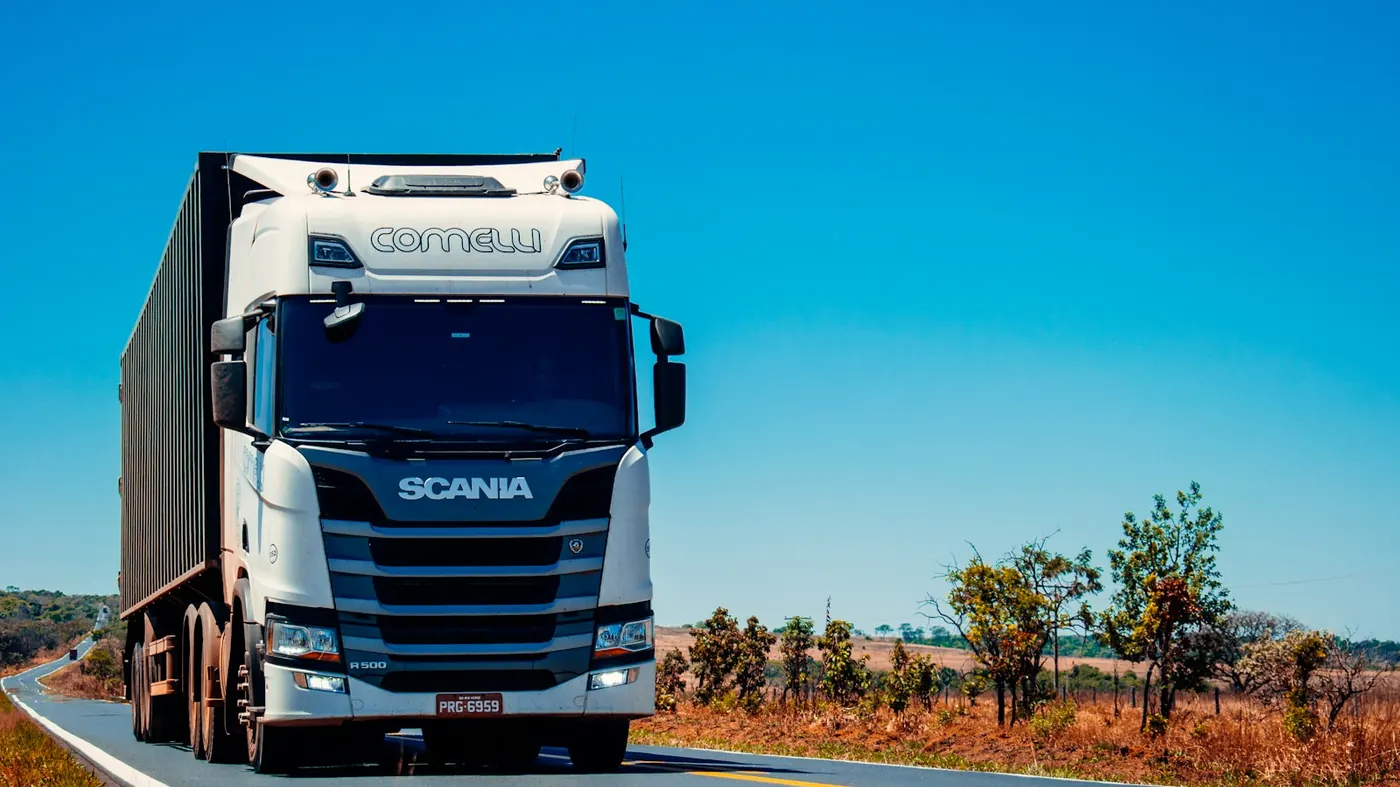
Class A covers combination vehicles (tractor-trailer) with a gross combination weight rating of 26,001 pounds or more, when the towed unit is over 10,000 pounds. Class B covers single vehicles at 26,001 pounds or more (or that tow a unit of 10,000 pounds or less). Most long-haul trucking jobs want Class A.
2. Get your commercial learner's permit (CLP)
You'll visit your state driver licensing agency, pass the required knowledge tests, meet medical/self-certification rules, and receive a CLP. You generally must hold the CLP for a waiting period (often at least 14 days) before taking the skills test.
3. Complete Entry-Level Driver Training (ELDT)
If you are getting a Class A or Class B CDL for the first time (or upgrading B→A, or adding certain endorsements for the first time), federal rules usually require ELDT from a provider listed on the FMCSA Training Provider Registry. Theory and behind-the-wheel each have a curriculum. Your provider must be on the registry when they certify your training.
4. Practice behind the wheel
Range (off-road) and public-road training prepare you for the skills test. When you compare schools, look for locations registered for behind-the-wheel — not theory-only — unless you already have another plan for BTW hours.
5. Pass the CDL skills test
The skills test typically includes a pre-trip inspection, basic vehicle control, and an on-road drive. After you pass, your state issues the CDL (with any endorsements you qualified for).
6. Keep records and stay current
Maintain your medical certificate as required, follow hours-of-service and employer rules, and know which endorsements (hazmat, tanker, passenger, school bus, doubles/triples) need extra tests or background checks.